Where Light Learned to Dance
March 12, 2026
•
2 Comments
After completing my multiple exposure neon light project and the exhibition Whisper in the Neons, I began wondering how far I could push the idea of photographing light. Neon signs and city lights had already offered a fascinating playground, but I wanted to explore something different. Then another thought appeared: what if the lights I photographed were the lights from the rides at Moomba? What kind of images might emerge when colour, motion, and machinery meet inside the camera? Carnival rides are essentially machines built for spectacle — spinning arms, flashing LEDs, rotating patterns of colour. They are mechanical sculptures of light and motion. I wondered whether multiple exposure photography could transform those lights into something entirely new.
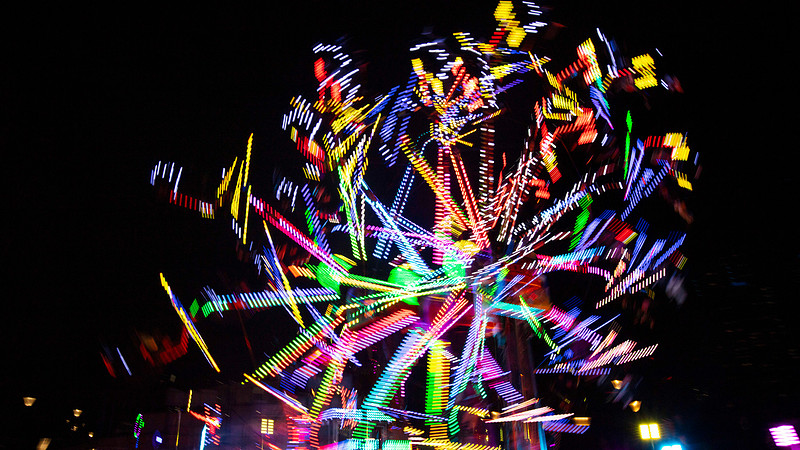
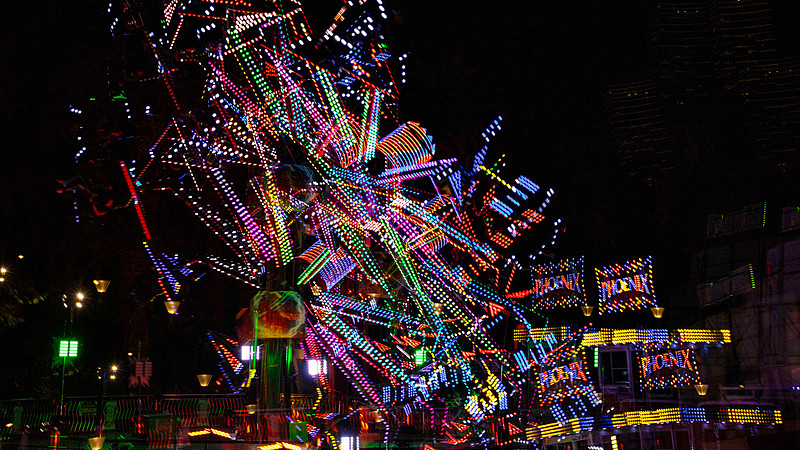
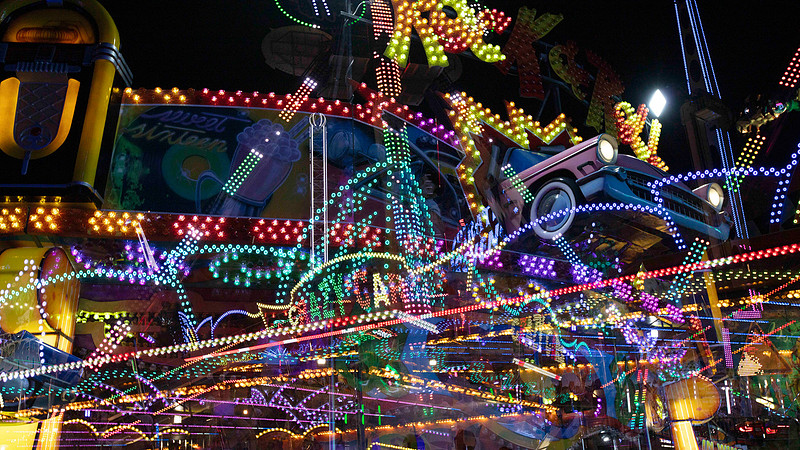
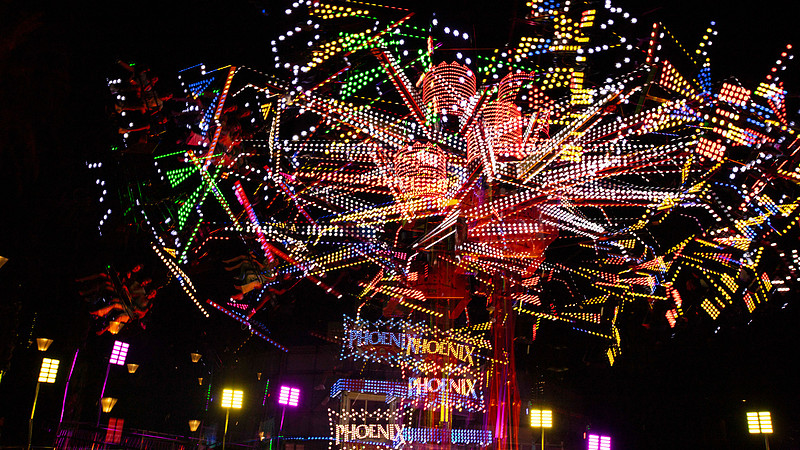
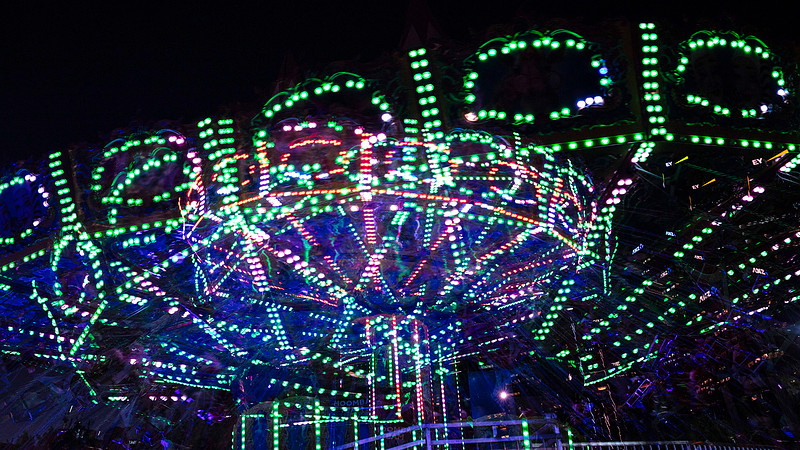
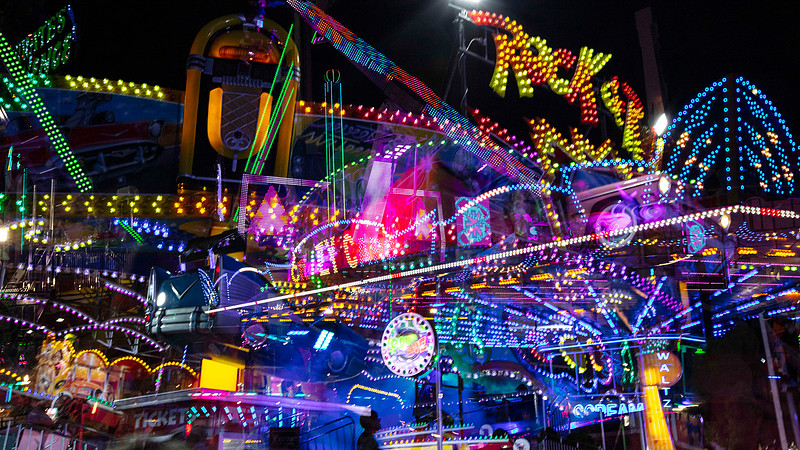
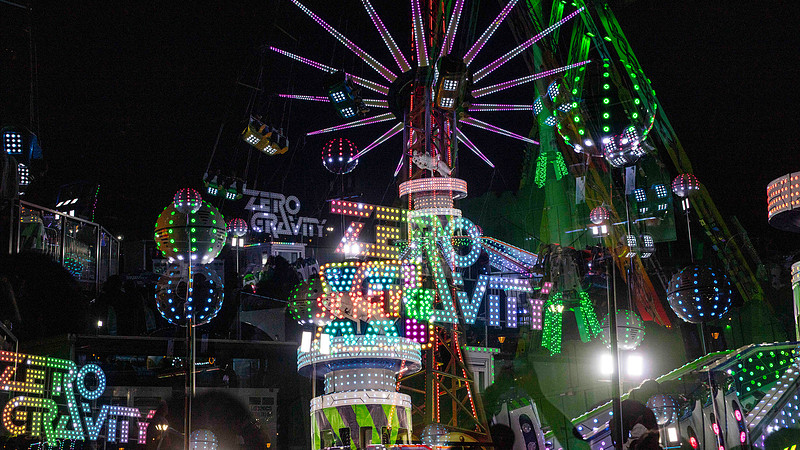
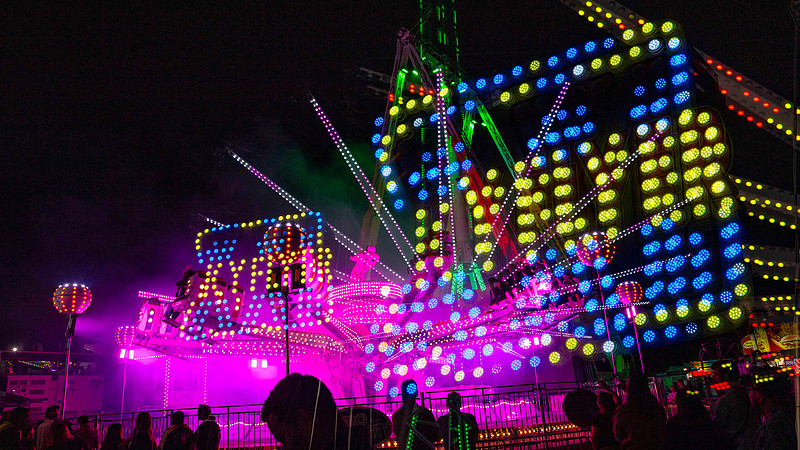
The First Night: A SurpriseThe first shoot on Friday night produced a result I didn’t quite expect. The lights on the rides were already intensely colourful, and the movement of the machines added another dimension to the photographs. With multiple exposures layered together, the lights stretched into arcs and ribbons of colour.
What surprised me most was how little post-production was needed. The colours and patterns were already there in the frame. In some images, the rides began to resemble bursts of fireworks made from light.
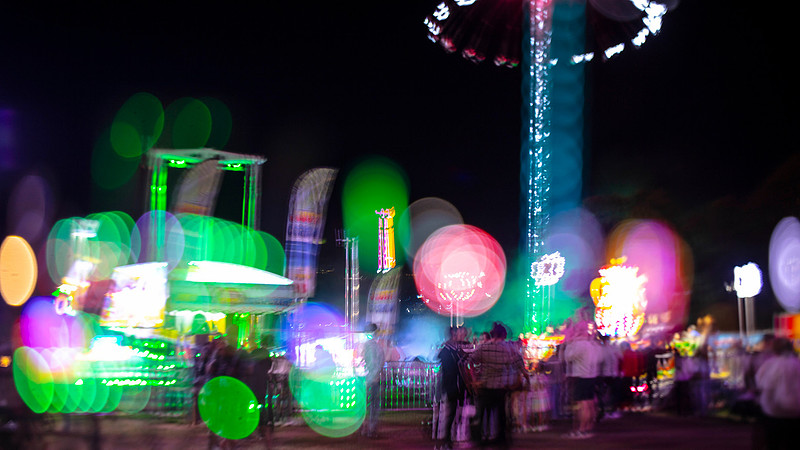
Experimenting FurtherEncouraged by the results, I returned on Sunday night to experiment with new techniques. This time I tried creating a more impressionistic look, using defocused lights and bokeh effects.
However, I quickly discovered a limitation. The LED lights on the rides were extremely close together, and when defocused they merged into chaotic clusters rather than elegant bokeh shapes. After several experiments, I decided to abandon the idea and return to what worked best: sharp points of light layered through multiple exposures. Sometimes photography teaches us that the strongest results come from working with the subject rather than forcing a technique onto it. Discovering ColourWhile reviewing the images later, I noticed something else that I had not consciously planned. Certain colours worked beautifully together. Others didn’t.
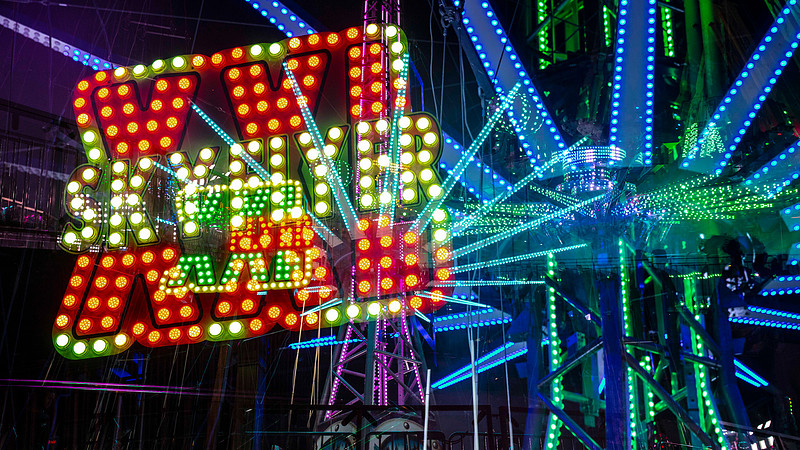
When colours such as magenta, cyan, and purple appeared in the same frame, the images felt vibrant and balanced. But when certain greenish tones dominated, the photographs sometimes felt visually heavy.
According to colour theory, colours that sit opposite each other on the colour wheel — known as complementary colours— create strong visual contrast and energy. Combinations such as blue and orange, or purple and yellow, naturally bring a sense of balance and vibrancy.
Without consciously planning it, the rides themselves were already displaying these colour relationships through their LED programming. My role as a photographer was simply to recognise those moments and capture them.
Painting with LightMultiple exposure photography often feels less like traditional photography and more like painting with light. Each exposure becomes a brushstroke. At Moomba, the spinning rides provided the perfect canvas for this process.
The machines generated their own patterns of motion and colour, and the camera layered them together into luminous compositions. Light, painting itself. Sometimes the camera reveals things we didn’t expect to see.
Keywords:
abstract light photography,
abstract photography,
amusement ride lights,
Australia night photography,
carnival lights photography,
carnival ride photography,
colour harmony photography,
colour theory photography,
creative light patterns,
creative photography techniques,
experimental photography,
festival night photography,
fine art photography blog,
impressionistic photography,
LED light photography,
light motion photography,
light photography,
long exposure lights,
Melbourne festival photography,
Melbourne night photography,
Melbourne photography project,
Moomba festival photography,
multiple exposure photography,
multiple exposure technique,
neon light photography,
night photography,
painting with light photography,
photographing lights,
photography project

Comments
No comments posted.
Loading...
|